“One of the most important truths about human beings is that although we all arrive in the world equipped by nature to live a thousand different lives, in the end we complete our lives having lived only one of them,” says the archaeologist Clifford Geertz. On this restless planet, in the midst of our effort to live this singular life, we intersect — depending on one's point of view — with numerous definitions: the “thinking” being, the “self-producing” being, the “judging” being, the “playing” being. Our “working person” side, within the multiple roles we occupy in social and economic life, is perhaps our most structured self.
The business world, which largely positions the working person as a “resource,” seems to make its existence more humane and more sustainable to the extent that it carries its bond with employees beyond this positioning. How? Certainly, by treating this bond within a stakeholder relationship capable of producing value for both sides.
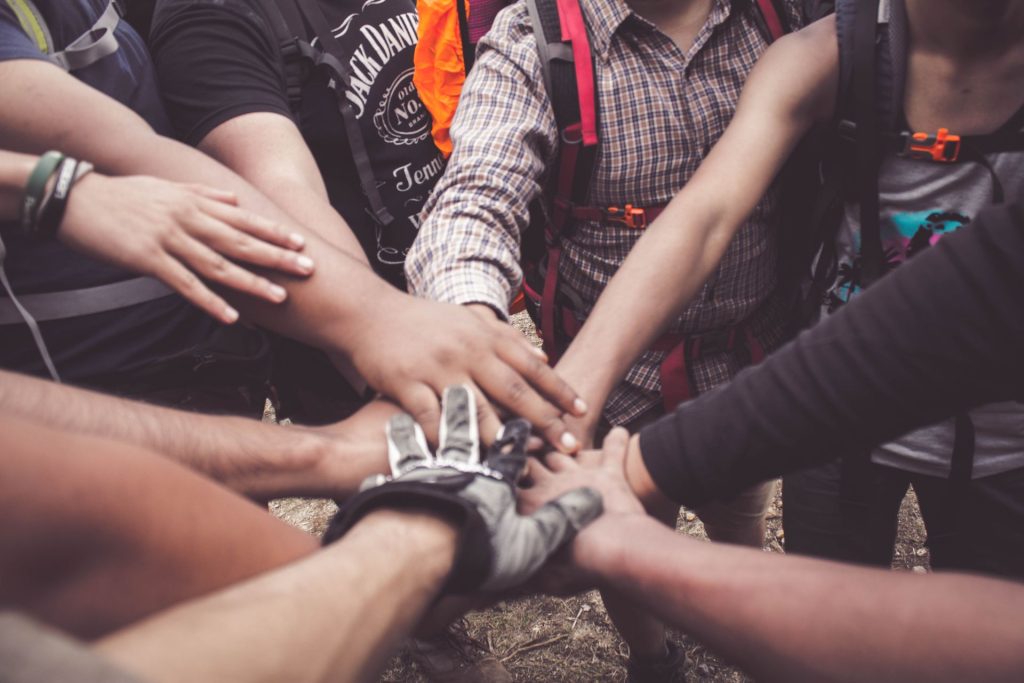
Volunteering practices are one of the important elements capable of creating a meaningful bond between employees and institutions. Volunteering practices that can be woven into working hours, which take up a significant part of an employee's day, can produce value both for the individual and the institution they work for, and toward the solution of a social problem.
As is the case with most statements that begin with “research shows” and lean toward the positive and the advanced, Turkey ranks rather low in volunteering as well. It is clear that we struggle to make volunteering practices one of our priorities. We know that many institutions make an effort to create such openings for their employees, but have difficulty securing employee participation.
Yet in our country we have a voluntary organization that has worked for more than 20 years to support employee volunteering: the Özel Sektör Gönüllüleri Derneği (Private Sector Volunteers Association). The Association has defined its goal as transforming the competence and potential of companies' human resources into social benefit through volunteering. Building systems within institutions to develop volunteering practices, the Association has a strong volunteering network with more than 35 members, over 10,000 active volunteers, and more than 100 civil society organizations.
Building bonds between employees and civil society organizations, the Özel Sektör Gönüllüleri Derneği also contributes to the development of employee volunteering through the volunteering projects it runs directly. The Association's Chairman, Cenk Akıncılar, says the key to happiness is volunteering, adding: “Join the volunteering journey too — as an Association, let us determine your institution's volunteering potential, build your volunteering team together, and jointly map out the process for the work you can carry out in this field. Let's make a good start toward creating benefits for society.”
Since, as Clifford Geertz says, we have only one life to live, why not stop treating volunteering practices — which can offer unique experiences in fostering listening to one another, solidarity, and collaboration — as just another box to tick?
If you don't yet have a volunteering system, or if it isn't working well, let's roll up our sleeves to refocus on this area: today is the day to create spaces where people can connect with other people, with nature, with the environment.
Today is the day to recognize oneself in the other, to think, learn, and reproduce together.
Fadile Paksoy
This article was published in the September–October 2024 issue of Brandmap Magazine.